Customers do not all prefer to pay the same way. Some are comfortable using cards, while others prefer paying directly from their bank accounts. Businesses also have different payment needs depending on transaction size, customer relationships, billing models, and how quickly they need funds to move.
Offering only one payment method can create unnecessary friction.
A customer may be ready to complete a purchase but prefer a different payment option. A business may have recurring customers who are better suited to bank-based payments, while other transactions may work naturally through cards.
Having access to multiple payment methods gives businesses more flexibility when collecting revenue. It also allows them to consider the payment method that best fits a particular transaction instead of forcing every customer and every payment into the same process.
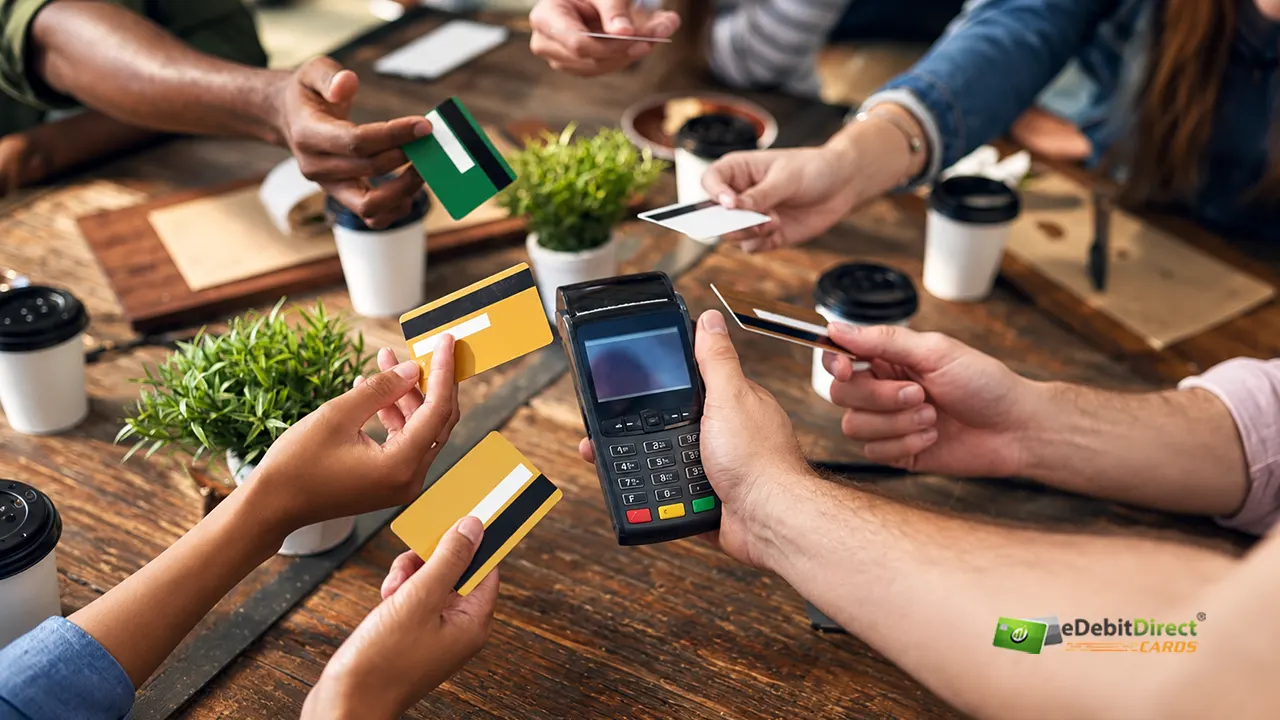
Customer preferences create payment challenges
Payment preferences vary considerably between customers.
Some customers expect to pay by card. Others are more comfortable authorizing a payment directly from their bank account. Business customers may also have different requirements from individual consumers, particularly when transactions involve invoices, recurring payments, or larger amounts.
When a business offers only one payment option, it may create an unnecessary barrier for customers who prefer another method.
This does not mean every business needs to offer every possible payment method. It means businesses should consider whether the options they provide reflect the way their customers actually want to pay.
Cards remain important for everyday transactions
Cards remain familiar and convenient for many customers. They can be particularly useful for straightforward purchases where the customer expects a quick checkout experience.
For businesses, card acceptance can be an important part of meeting customer expectations across online and other payment environments.
At the same time, relying exclusively on cards may not always make sense for every transaction. Businesses that serve customers with different payment preferences can benefit from having additional options available.
The goal is not to replace one payment method with another. It is to create a payment structure that gives the business more flexibility.
Rapid ACH for bank-based payment needs
Bank-based payments can be particularly useful for businesses handling recurring transactions, invoices, larger payments, or customers who prefer paying directly from a bank account.
Rapid ACH (Same Day ACH) provides a faster bank-based payment option for businesses that qualify, with same-day processing available.
This can be relevant when timing matters. Businesses may want to move away from depending exclusively on card transactions and provide customers with another way to authorize payment directly from their bank accounts.
Rapid ACH can therefore complement other payment methods rather than requiring businesses to choose a single approach.
eChecks add another payment option
eChecks provide another way for businesses to collect payments electronically from customer bank accounts.
They can be useful for businesses that work with customers who are accustomed to bank-based payments or for transactions where an electronic check structure fits the relationship.
eChecks and Rapid ACH are not identical. They use different payment structures and can serve different operational needs.
Having both options available can give businesses greater flexibility when determining which payment method fits a particular customer or transaction.
Multiple payment methods and fewer payment obstacles
Payment friction does not always come from a complicated checkout process. Sometimes the problem is simply that the preferred payment method is not available.
A customer who wants to use a card may hesitate when only a bank-based option is offered. Another customer may prefer a direct bank payment and be less comfortable using a card for a larger transaction.
Giving customers appropriate choices can make the payment process easier to navigate.
For businesses, multiple payment methods can also create more flexibility when structuring invoices, recurring billing, online payments, and other collection processes.
Looking for more insights? Explore related articles
-
Credit card processing interruptions during high sales periods
A successful sales period should give a business room to grow, not create uncertainty around its ability to accept payments. Yet companies can encounter card…
-
Card processor limiting monthly transaction volume
A growing business needs a payment processing arrangement that reflects its actual operations. When a card processor limits monthly transaction volume, however, expansion can become…

-
Why PayPal and Stripe keep declining high risk merchants and why they consider eDebit Direct Cards
For many business owners, setting up payment processing starts with well-known platforms like PayPal or Stripe. Their applications are simple, setup is quick, and they…

Payment flexibility for different business models
Different businesses have different payment requirements.
An online retailer may prioritize fast checkout. A service business may collect larger payments through invoices. A company with recurring customers may need an efficient way to collect scheduled payments. A B2B business may work with customers who prefer bank-based transactions.
Using a combination of payment methods allows businesses to build their payment strategy around these differences.
Instead of asking which payment method is best overall, businesses can ask which option makes the most sense for each type of transaction and customer.
Building a more flexible payment strategy
A strong payment strategy does not necessarily mean offering every available payment method. It means having enough flexibility to accommodate the business’s customers and operating model.
Businesses should consider:
- The payment methods customers already prefer
- The types and sizes of transactions being processed
- Recurring versus one-time payments
- Online checkout requirements
- Invoice and payment-link needs
- The importance of settlement timing
- Internal reconciliation and reporting
- The payment options that fit different customer segments
Reviewing these factors can help businesses avoid depending too heavily on a single payment channel.
eDebit Direct as a multi-option payment solution
For businesses looking to expand their payment options, eDebit Direct provides multiple ways to collect payments, including card processing, Rapid ACH (Same Day ACH), and eChecks. The available solution can be evaluated based on the business model, transaction needs, and customer payment preferences.
Businesses can learn more about the available payment solutions through eDebit Direct, including Rapid ACH and eChecks.
Offering multiple payment methods is ultimately about flexibility. Cards, Rapid ACH, and eChecks can serve different payment situations, giving businesses more options for meeting customer preferences and managing the way they collect revenue.
Frequently Asked Questions About Multiple Payment Methods for Businesses
Why should a business offer multiple payment methods?
Customers do not all prefer to pay the same way. Some choose cards, while others want to pay directly from a bank account. Offering multiple payment methods for businesses removes unnecessary friction at checkout and gives you more flexibility when collecting revenue from different customers and transaction types.
Does a business need to accept every payment method available?
No. A strong payment strategy means having enough options to match your customers and operating model. Review the payment methods your customers already prefer, the size and type of your transactions, and your settlement needs before deciding which options to add.
What is Rapid ACH?
Rapid ACH, also known as Same Day ACH, is a bank-based payment option that allows qualified businesses to collect payments directly from customer bank accounts with same-day processing. It is useful when timing matters, especially for recurring payments, invoices, and larger transactions.
What is the difference between Rapid ACH and eChecks?
Both collect payments from customer bank accounts, but they use different payment structures and can serve different operational needs. Rapid ACH focuses on faster, same-day processing, while eChecks offer an electronic check structure that suits customers who are accustomed to bank-based payments.
Are cards still worth accepting if I offer bank-based payments?
Yes. Cards remain familiar and convenient, especially for straightforward purchases where customers expect a quick checkout. Adding Rapid ACH or eChecks does not replace card acceptance. It gives you a broader payment structure that works for more customers.
Which payment methods work best for recurring billing and invoices?
Bank-based payments such as Rapid ACH and eChecks are often a good fit for recurring billing, invoices, and larger payments. Many customers prefer authorizing these payments directly from their bank accounts, and businesses can use them to simplify scheduled collections.
How do multiple payment methods help B2B and service businesses?
B2B companies and service businesses often collect larger payments through invoices, and their customers may prefer bank-based transactions. Offering cards alongside Rapid ACH and eChecks lets these businesses match the payment method to each customer and transaction instead of forcing one process on everyone.
What payment methods does eDebit Direct support?
eDebit Direct provides multiple ways to collect payments, including card processing, Rapid ACH (Same Day ACH), and eChecks. The right solution depends on your business model, transaction needs, and customer payment preferences.

Ready to accept card payments
with confidence?
Start your application today and work
with a payment partner built for real businesses.