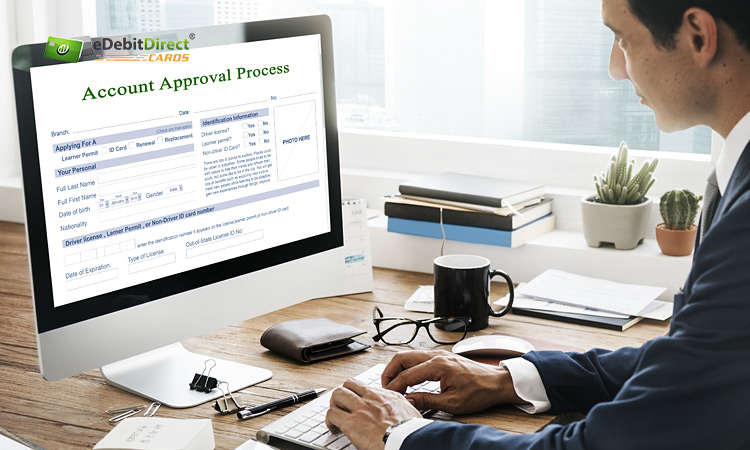
When business owners search for approval rates for high risk merchant accounts, they usually want one simple answer. What are my chances. The reality is that approval is not based on a fixed percentage. It depends on preparation, documentation, and how clearly the business model is presented.
High risk does not automatically mean low approval odds. It means the review is more detailed. Businesses in certain industries or with specific billing models require closer evaluation, but that does not translate into automatic rejection.
Understanding what influences approval can help you position your application correctly from the start.
What really determines approval rates
Approval rates are not determined by industry alone. They are influenced by how organized and transparent the business is. Clear documentation, consistent information, and realistic projections significantly improve the likelihood of approval.
One of the biggest factors is alignment. Your business registration, website, and application must all match. If your documents say one thing and your online presence suggests another, that inconsistency can lower approval chances.
Processing history also plays a role. If you have prior statements showing stable volume and consistent activity, that can strengthen your application. However, startups can still be approved when projections are realistic and the business model is clearly explained.
The key is clarity. When underwriters understand exactly how you generate revenue and how transactions will flow, approval becomes more likely.

Common reasons approval rates drop
Approval rates tend to decrease when applications are incomplete or rushed. Missing documents, vague business descriptions, or unrealistic monthly volume projections create hesitation during review.
Another common issue is applying before the business is fully ready. A website that lacks product details, visible policies, or accurate contact information can weaken an otherwise solid application.
Overstating expected revenue is another mistake. Inflated numbers that do not align with your current stage can create doubt. Honest and reasonable projections build credibility and improve overall approval likelihood.
Preparation has a direct impact on results.
How to improve your approval odds
If you want to increase your chances, focus on structure before submission. Make sure your website clearly explains what you sell and how customers pay. Verify that your business name appears exactly the same across all documents. Provide clean and readable identification and banking information.
If you have processing history, submit accurate and recent statements. If you are a new business, explain your marketing strategy and expected growth in realistic terms.
It is also helpful to ask questions before applying if you are unsure about eligibility. Clarifying requirements early prevents avoidable delays or misunderstandings. You can reach out directly through the Contact page to discuss your specific business model before submitting documentation.
What to realistically expect
High risk merchant accounts are reviewed carefully, but approval is absolutely possible when everything aligns. There is no universal approval percentage because every business is different. Two companies in the same industry can receive different outcomes based on how well their documentation and presentation are structured.
Instead of focusing on a number, focus on preparation. When your application is clear, consistent, and supported by accurate information, your approval chances increase significantly.
High risk does not mean unlikely. It means detailed review. When you understand what drives approval decisions and prepare accordingly, the process becomes far more predictable.
Looking for more insights? Explore related articles
Can a merchant account be terminated without warning
This is one of the most common fears business owners have. You work hard to build revenue, customers are paying, and then you hear…. Read Full Article